Markets
Bitcoin and ether test their resilience after Binance mega‑hack
Despite a hack valued at several billion euros on the world’s leading platform, bitcoin and ether have only seen a moderate pullback. A reaction that raises questions about the maturity, structure and concentration of the crypto market.
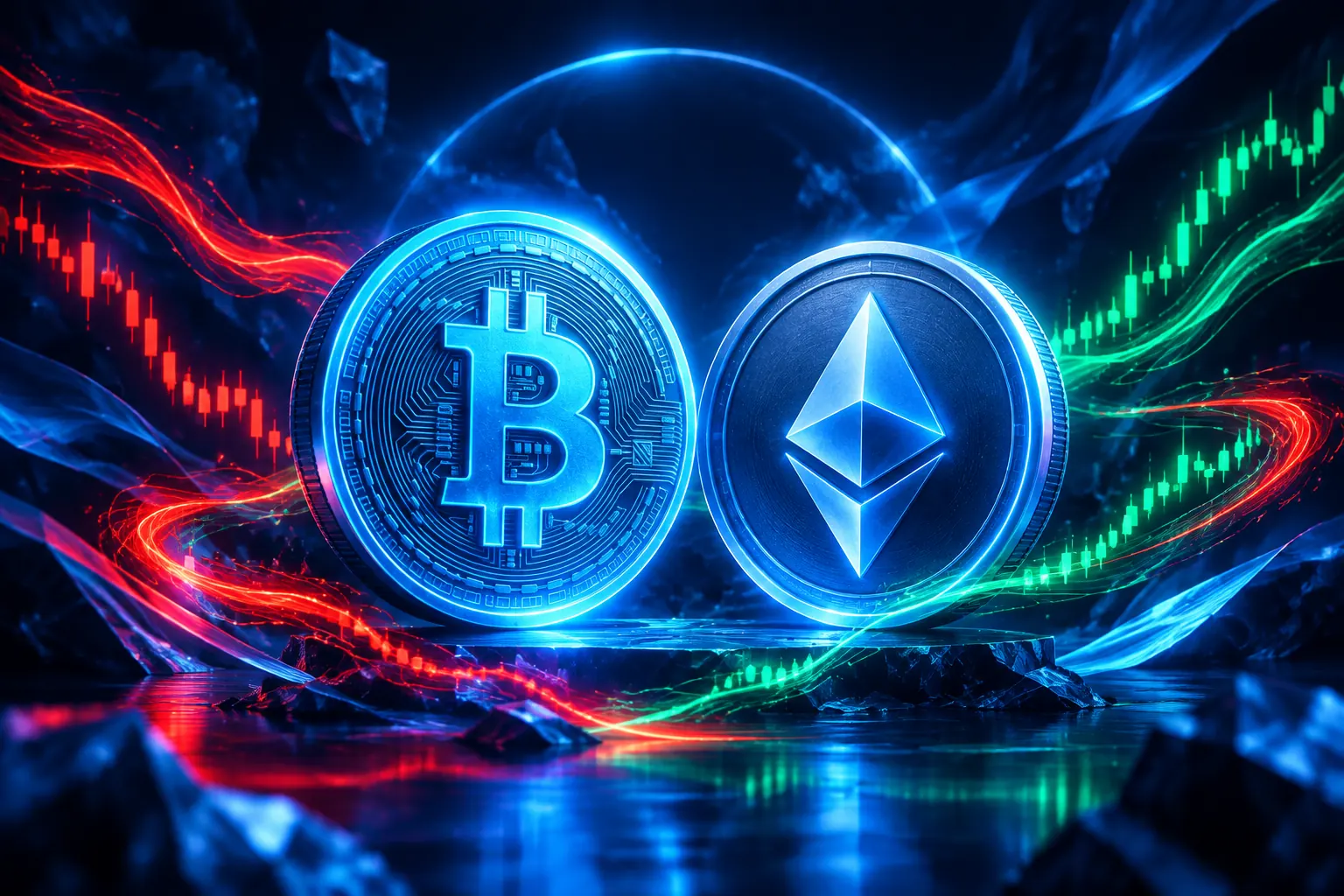
On the morning of November 9, 2026 in the eurozone, bitcoin trades around 67 200–67 400 €, a limited decline of a few percent compared with the previous week. This resilience comes as Binance, the leading global exchange, has just suffered a hack described as a “mega‑hack,” valued at several billion. For now, BTC’s reaction remains contained, far from the sharp drops observed during previous confidence shocks affecting centralized infrastructures.
Ether is trading around 1 900 €, down roughly 5 to 15 % over a month depending on the venues, a movement consistent with the reference of about 1 899 € (2 130 USD) provided to readers. This decline remains significant but does not reflect generalized panic. It fits more with a broader adjustment among large crypto capitalizations than an isolated reaction to the Binance hack, even though the risk environment remains elevated.
Market data indeed confirm a more diffuse retreat: the GMCI 30 index, a barometer of large capitalizations, lost nearly 7 % over the period surrounding Zcash’s NU7 upgrade. This correction partially precedes Binance’s mega‑hack, suggesting that the confidence shock linked to the attack overlays an already more cautious phase for investors, rather than being its sole trigger.
According to available estimates, Binance’s net outflows reached about 3,2 Mds € (3,6 Mds USD) in the days following the hack, before a gradual normalization of flows. More than half of the stolen amounts, i.e. over 2,8 Mds € (around 3 Mds USD), would moreover have been frozen, limiting the direct impact on short‑term liquidity. The market’s ability to absorb this shock without a marked collapse in prices will be a key test of its structural maturity.